Commercial Waste Woolwich: Recycling and Sustainability Commitment
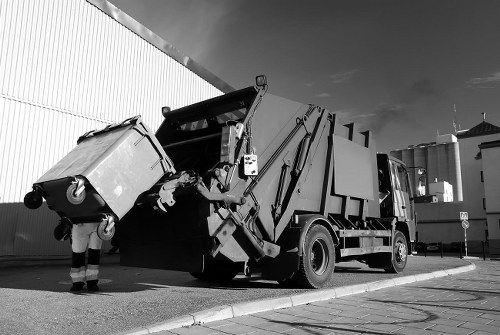 Commercial Waste Woolwich is committed to creating an eco-friendly waste disposal area across the borough. Our approach to managing commercial refuse in the Woolwich area balances operational efficiency with measurable environmental outcomes. We support businesses of all sizes with bespoke collection schedules, on-site segregation advice, and resource recovery plans so local enterprises can participate in a robust circular economy. By promoting a sustainable rubbish area mindset, we help reduce landfill dependency while boosting reuse and recycling rates across the borough.
Our public-facing target for recycling percentage is ambitious and transparent: we aim for a 60% commercial recycling rate by 2028 with a stretch goal of 70% by 2035. This recycling percentage target focuses specifically on commercial waste in Woolwich, including construction and demolition residues, retail packaging, hospitality organics, and office dry recyclables. These targets reflect collaboration with borough waste plans and offer a clear timeline for improvements. Meeting these goals will be driven by better separation at source, improved sorting at transfer hubs, and stronger partnerships to keep materials in productive use.
 A key element of our sustainability plan is a low-emission fleet. Our low-carbon vans and electric collection vehicles reduce local pollution and carbon footprints for Woolwich commercial rubbish operations. We already deploy a mix of battery-electric and hybrid vehicles on high-frequency routes, and we plan to scale to a predominantly electric fleet as charging infrastructure becomes more widely available. Reducing vehicle emissions is an important part of delivering an eco-friendly waste disposal area that supports public health and meets London-wide air quality objectives.
Local Transfer Stations and Resource Hubs
We coordinate closely with local transfer stations and borough transfer centres to increase the proportion of diverted waste that reaches recycling and reprocessing facilities. Local transfer stations in the Royal Borough of Greenwich and adjacent hubs provide critical sorting capacity for mixed commercial loads, allowing more material to be separated into glass, paper, metal, plastics, and organics. Our routing prioritises access to transfer stations that offer advanced sorting services, which reduces contamination and improves end-market value for recyclates. By optimising collections to nearby transfer depots, we also cut mileage and associated emissions.
Partnerships with reuse organisations and community charities are vital to making Woolwich a model for sustainable rubbish collection. We work with local charities and accredited reuse groups to divert furniture, textiles, small electricals, and surplus building materials away from disposal. Typical partnership activities include:
- Collection of reusable furniture and fit-out items for local social enterprises
- Textile sorting and donation programmes supporting community charity shops
- Working with electronic waste recyclers to refurbish or responsibly recycle IT equipment
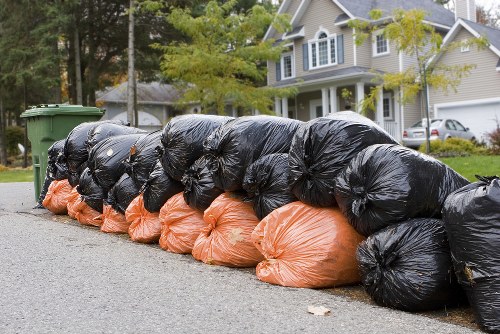 In addition to charity partnerships, we support social value initiatives that prioritise local employment and training in reuse and recycling operations. These programmes transform waste into opportunities, creating jobs while keeping high-quality materials circulating in the local economy. By combining charity partnerships with targeted commercial contracts, Woolwich commercial waste systems generate both environmental and social benefits.
How We Support Waste Separation and Business Compliance
Businesses are encouraged to adopt the borough's approach to waste separation: clear stream separation for dry recyclables (paper, cardboard, plastics, tins), segregated glass, dedicated food/organic bins for hospitality operations, and secure containers for hazardous or confidential waste. Our advisory teams provide tailored segregation plans that align with local regulations and improve capture rates for recyclable materials. Separation at source remains the single most effective method to increase recycling percentages and reduce contamination.
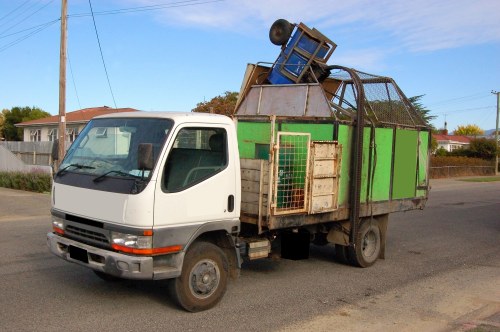 Operational improvements in the sustainable rubbish area include on-site audits, staff training in segregation practices, and provision of standardised containerisation kits. We track key performance metrics through digital reporting: tonnes collected by stream, contamination rates, transfer station performance, and carbon savings from route optimisation and electric van deployment. These dashboards help business clients understand progress toward the recycling percentage target and identify opportunities for further reduction of waste sent to landfill.
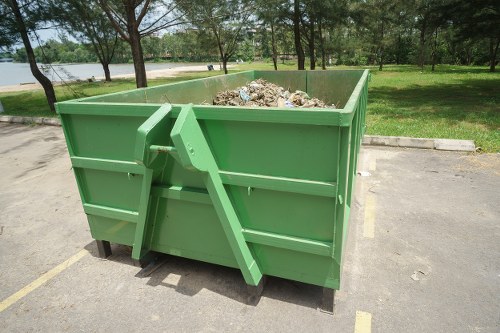 Ultimately, the vision for Woolwich and surrounding commercial districts is a resilient, circular local economy. By integrating low-carbon vans, >local transfer stations, charity partnerships, and clear separation practices, we create an effective, measurable system for eco-friendly waste disposal. Our combined efforts make the borough a leader in sustainable rubbish services, and they demonstrate how targeted policies and practical operations can transform commercial waste into valuable resources for the community.
Key commitments at a glance:
- Recycling percentage target: 60% by 2028; 70% by 2035
- Fleet decarbonisation: expansion of low-carbon vans and EVs
- Local transfer optimisation: prioritise borough transfer stations and advanced sorting hubs
- Charity partnerships: reuse and donation routes for furniture, textiles, and electronics
- Separation-first approach: borough-style waste streams for improved capture
Commercial waste in Woolwich is not an intractable problem; with measured targets, transparent reporting, and collaboration across businesses, charities, and transfer facilities, we can create a true eco-friendly waste disposal area that benefits people and the planet. This approach to Woolwich commercial rubbish combines pragmatic operational change with a long-term vision for sustainability and circularity.
