Affordable rubbish clearance Powis Street Woolwich
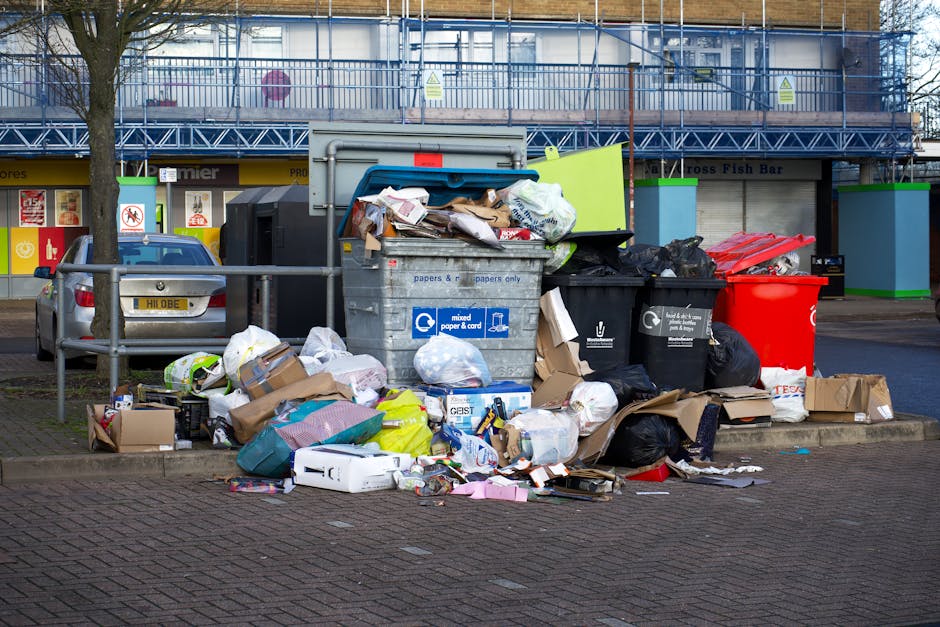
If you live, work, or trade around Powis Street in Woolwich, rubbish has a habit of building up faster than you expect. A few flat-pack boxes here, an old sofa there, some broken shelving or builder's offcuts, and suddenly the space feels cramped and a bit chaotic. Affordable rubbish clearance Powis Street Woolwich is really about getting that clutter moved quickly, safely, and without paying for more than you need.
This guide breaks down how the service works, what affects the cost, who it suits, and how to choose a clearance option that feels sensible rather than rushed. You'll also find practical tips, a comparison table, and a checklist you can actually use. Let's face it, nobody wants a bargain that turns into a headache.
Why Affordable rubbish clearance Powis Street Woolwich Matters
Powis Street is busy, practical, and always moving. Shops, flats, small offices, storage areas, and homes all generate waste in different ways, and not all of it fits neatly into a bin bag. Affordable clearance matters here because the real cost of rubbish is not only the removal fee. It is the time lost, the obstruction in a hallway, the stress of a cluttered shopfront, or the awkwardness of trying to sort heavy items yourself.
In a compact urban area, waste can also become a visible problem quickly. A pile of cardboard by the back gate, a broken wardrobe in the hallway, or old office chairs in the corner can make a place feel less manageable overnight. A good clearance service helps restore order without turning a simple job into a big production.
There's another angle too: affordability should not mean cutting corners. The sensible approach is to look for transparent pricing, tidy loading, and responsible disposal. If a provider is vague about what is included, you may end up paying twice. That is not affordable, whatever the headline says.
For many residents and businesses, the goal is straightforward: clear the rubbish, keep the process simple, and avoid unnecessary disruption. If that sounds familiar, you're in the right place.
How Affordable rubbish clearance Powis Street Woolwich Works
Most rubbish clearance jobs follow a fairly simple pattern. You request a quote, explain what needs removing, arrange a collection time, and the team comes to load and take away the items. The better providers keep the process plain-English and avoid overcomplicating it.
Typically, pricing depends on how much waste there is, what type of waste it is, how accessible it is, and whether anything needs special handling. A single mattress from a first-floor flat is very different from a full garage clearance, and the quote should reflect that difference. If you have awkward access, tight stairways, or bulky furniture, mention it early. That saves time and avoids surprise charges.
Good clearance is not just about lifting things into a truck. The useful bit is the sorting. Reusable items may be separated, recyclable materials handled appropriately, and any restricted waste dealt with through the right route. For example, if you are getting rid of appliances, it can help to look at fridge and appliance removal or mattress and sofa disposal where the item type creates specific handling needs.
For larger mixed jobs, some people also cross-check related services like general waste removal, house clearance, or furniture clearance depending on what is actually being removed. That way, the solution fits the mess instead of forcing the mess into one box.
Simple, really. But the details matter. They always do.
Key Benefits and Practical Advantages
The obvious benefit is cost control. A well-planned rubbish clearance stops you from overpaying for time, labour, or a vehicle size you do not need. But the practical gains go further than that.
- Faster space recovery: Clear the room, hallway, shop back area, or garden without waiting days for council collections or trying to split loads into tiny trips.
- Less physical strain: Heavy lifting is tiring, and sometimes risky, especially with wardrobes, damp bags, broken tiles, or old appliances.
- Cleaner presentation: A tidy entrance or shopfront matters on a street like Powis Street where first impressions count.
- Better sorting and disposal: Responsible services can direct materials to recycling routes where possible, which supports recycling and sustainability goals.
- Less disruption: Quick collection means less time living around stacked waste. You notice the calm almost immediately.
There's also a mental benefit that people often underestimate. Clutter is noisy in its own way. It nags at you every time you walk past it. Once removed, the room feels lighter. Not fancy, just easier to use.
For landlords, letting agents, shop owners, and tradespeople, the value is even clearer: a fast, affordable clearance can keep turnover moving and avoid complaints from neighbours or customers. That's worth quite a bit, even before you start counting the bins.
Who This Is For and When It Makes Sense
This kind of service suits a wide range of people around Woolwich. If you're wondering whether it's "for you," the answer is usually yes when waste is too much for a normal bin collection and too awkward for a DIY tip run.
Homeowners and tenants often use rubbish clearance after a clear-out, a move, a refurbishment, or a long-overdue declutter. A spare room can turn into a storage cave so gradually that you barely notice. Then one day the door barely opens. That's usually when people start looking for help.
Landlords and property managers need quick turnarounds between occupancies. Left-behind furniture, mixed rubbish, and old household items can delay cleaning and repairs. A focused clearance can get the property back into a usable state without dragging things out.
Small businesses and offices may need help with desks, chairs, packaging waste, filing clutter, and old equipment. If you're managing business premises, it can be worth exploring office clearance or business waste removal when the waste is ongoing or office-specific.
Tradespeople and renovators often end up with mixed rubble, packaging, timber offcuts, and old fittings. In those cases, builders waste clearance may be the better fit.
Gardeners and outdoor projects can generate branches, soil, broken fencing, and green waste. A garden-related collection can be more practical than trying to stack everything into regular bins, especially when the weather is doing its usual British thing.
If your waste is bulky, awkward, or simply in the way, a clearance service is probably the cleanest route. If it can wait, sort it first. If it cannot, move it on.
Step-by-Step Guidance
Here's a straightforward way to organise an affordable clearance without making it more complicated than it needs to be.
- List everything that needs removing. Be specific. "Old furniture," for example, is less useful than "one sofa, two dining chairs, a coffee table, and four bags of mixed waste."
- Separate the easy wins. Cardboard, metal, reusable items, and obvious recyclables can sometimes be grouped more efficiently. If something needs a specialist route, note that too.
- Check access. Stairs, narrow halls, basement storage, rear entrances, and parking restrictions all matter. A job that looks tiny from the front can be a faff at the back.
- Request a clear quote. Good pricing should explain what is included and whether labour, loading, or disposal costs are covered. You can compare that with the service information on pricing and quotes.
- Confirm what cannot be taken. Some items require special handling. Hazardous waste, certain chemicals, and contaminated materials need careful treatment. If in doubt, ask before collection day.
- Prepare the site. Move smaller loose items together, unlock access points, and make sure the clearance team can work safely.
- Check the final load. Before the vehicle leaves, take a quick look and make sure everything agreed has gone. It sounds obvious, but in the moment people forget.
That's the basic flow. No drama. And honestly, the more organised you are at the start, the smoother the whole thing becomes.
Expert Tips for Better Results
If you want the job to be genuinely affordable, a few small decisions make a real difference. In our experience, the cheapest quote is not always the cheapest outcome. What matters is value, clarity, and how efficiently the crew can work once they arrive.
First tip: combine waste where it makes sense. If you have furniture, cardboard, and general clutter from the same project, list it together rather than booking several separate visits. One efficient collection often beats three stop-start jobs.
Second tip: be honest about volume. People sometimes understate the amount because they hope to save money. Fair enough, but it often backfires. A truthful description leads to a more accurate price and a less stressful day.
Third tip: ask about sorting and recycling. Even if recycling is not the main reason for booking, many customers prefer waste to be handled responsibly. It is a sensible expectation, and it aligns with good practice. If sustainability matters to you, have a look at recycling and sustainability.
Fourth tip: plan around access and traffic. On a busy street like Powis Street, timing can matter. A short delay in loading or parking can affect the whole appointment, especially if items are bulky. A 10-minute delay can feel like half an hour when somebody is waiting to get on with the rest of the day.
Fifth tip: keep an eye on specialist items. Sofas, mattresses, appliances, and hazardous materials may need separate handling. If your load includes awkward items, it is worth checking pages like mattress and sofa disposal or hazardous waste disposal before booking.
Expert summary: The most affordable rubbish clearance is rarely the one with the loudest promise. It is the one with the clearest quote, the right vehicle size, sensible access planning, and proper handling of the waste type.
Common Mistakes to Avoid
There are a few repeat problems we see all the time. None of them are dramatic on their own, but together they can turn a simple clearance into a messy job.
- Guessing the volume badly. A lot of collections get complicated because the load was described too loosely.
- Forgetting access constraints. If the team needs to carry items down several flights of stairs or through a narrow passage, say so early.
- Mixing restricted items with general waste. That can create delays, extra charges, or refusal to take the load.
- Leaving it until the last minute. Urgent jobs are harder to arrange well, and rushed decisions are rarely the cheap ones.
- Choosing purely on price. Very low quotes sometimes hide exclusions. The "cheap" option can become the expensive one once the extras appear.
One more thing. People sometimes assume every service handles every item. Not always. If you have appliances, furniture, or office waste, it is better to match the service to the material rather than hoping it will all be fine on the day. That tiny bit of planning saves a lot of back-and-forth.
Tools, Resources and Recommendations
You do not need a toolkit the size of a builder's van to organise rubbish clearance, but a few basics help:
- Bin bags or heavy-duty sacks for smaller loose items
- A tape measure for checking oversized furniture, wardrobes, or appliances
- Labels or sticky notes if you are separating keep, donate, and remove piles
- Phone photos to help describe the load accurately when requesting a quote
- Gloves and sturdy shoes if you are moving items a short distance before collection
For many people, the most useful resource is simply a clear service page that explains what the collection includes. If you are working through a mixed clear-out, related pages such as furniture clearance, garage clearance, or home clearance can help you decide which category fits best.
If you are unsure what can go into a load, it is also useful to review what can go in a skip. Even though that is a separate service type, the guidance is helpful for understanding general waste categories and where the tricky boundaries usually are.
For trust and service expectations, you may also want to look at about us, insurance and safety, health and safety policy, and payment and security. Those pages help you understand how the business operates, which is useful when you are inviting someone onto your property or into your workspace.
Law, Compliance, Standards, or Best Practice
When rubbish is being removed in the UK, it is wise to treat compliance as part of the service, not an optional extra. You do not need to be an expert yourself, but you should expect sensible handling of waste, careful loading, and responsible disposal.
For domestic customers, the practical point is simple: do not place hazardous, confidential, or restricted items into a general pile unless the provider has explicitly said they can handle them. For businesses, the responsibility is even more important because office clearances often involve data-bearing materials, equipment, or mixed waste streams. If there is paperwork, files, or storage containing personal information, confidential shredding is the safer route.
Good practice usually includes:
- clear communication about the waste type
- safe manual handling and careful loading
- appropriate separation of recyclables where possible
- special handling for appliances, mattresses, and hazardous items
- respect for access, neighbours, and the property itself
That sounds basic because it is. But basics are what keep jobs smooth and avoid unpleasant surprises. Compliance is not just paperwork; it is part of doing the job properly.
Options, Methods, or Comparison Table
There are usually a few different ways to deal with rubbish around Powis Street Woolwich. The right choice depends on volume, urgency, and what you want to avoid dealing with yourself.
| Option | Best for | Pros | Trade-offs |
|---|---|---|---|
| Single-item clearance | One bulky item such as a sofa, mattress, or appliance | Quick, simple, usually cost-efficient | Not ideal for mixed or larger loads |
| Mixed household clearance | Decluttering a room, flat, loft, or garage | Flexible, one visit, handles several item types | Needs good volume estimates |
| Furniture-focused clearance | Old tables, beds, wardrobes, chairs | Good for move-outs and refurbishments | May need separate handling for certain items |
| Builders waste clearance | Renovation debris, timber, packaging, offcuts | Good after works, keeps site tidy | Heavier material can affect price |
| Business or office clearance | Desks, chairs, files, stockroom waste | Useful for commercial turnaround | May require coordination with staff or opening hours |
If you are still deciding, think about the waste in terms of shape, weight, and urgency. A neat pile of cardboard is one thing. A damp shed full of mixed stuff is another. Very different jobs, very different planning.
Case Study or Real-World Example
Picture a small flat near Powis Street after a tenant move-out. The hallway has a broken bedside table, two bagged piles of mixed household waste, a mattress leaning against the wall, and a few boxes of leftover bits from flat-pack furniture. Nothing outrageous. Just enough to make the place feel unfinished and awkward.
The sensible approach is to group the items, identify anything that needs special handling, and arrange a collection that can take the mixed load in one visit. If the mattress is included, a page like mattress and sofa disposal may be relevant; if the bulk is furniture, then furniture disposal might be the better fit. That little bit of category matching helps keep the quote realistic.
Now imagine the same flat, but the customer only described it as "a bit of rubbish." That's where problems start. The team arrives expecting a small job and finds a more complex load. Nobody wins. The collection may still happen, but the price and timing become less friendly. Clear descriptions make affordable service possible. That is the real trick.
The end result, when done well, is simple: the space is emptied, the property is easier to clean, and the customer can move on with the next task. Not glamorous, but deeply satisfying.
Practical Checklist
Use this before booking or on the morning of collection.
- List every item you want removed
- Separate general waste from specialist items
- Measure large furniture if space is tight
- Check stairs, parking, and access points
- Take photos if the load is mixed or bulky
- Ask whether loading, labour, and disposal are included
- Confirm any restrictions on appliances, hazardous waste, or confidential material
- Move smaller loose items together so the team can work efficiently
- Keep pathways clear to reduce delays and avoid accidents
- Review the final load before the vehicle leaves
If you can tick most of those off, you are already ahead of the game. Honestly, that is half the battle.
Conclusion
Affordable rubbish clearance in Powis Street Woolwich is not just about finding the lowest price. It is about choosing a service that is clear, efficient, and suited to the exact mess you need removed. When the quote is transparent, the waste type is explained properly, and the collection is planned around access and timing, the whole thing becomes surprisingly straightforward.
Whether you are clearing a flat, a shop back room, a garage, or the last remnants of a renovation, the goal is the same: remove the clutter without adding stress. And once it is gone, you really do feel the difference in the space. A bit of breathing room goes a long way.
Get a free quote today and see how much you can save.
If you are ready to take the next step, you can also explore book online for a quick starting point or review contact us if you want to talk through a more awkward clearance first. Either way, getting rid of the mess is often easier than living with it.
Sometimes the best improvement is simply clearing enough space to think again.
Frequently Asked Questions
What counts as affordable rubbish clearance in Powis Street Woolwich?
Affordable usually means a price that matches the amount and type of waste without hidden extras. The best value comes from a clear quote, sensible loading, and a service that fits the job rather than overcharging for a generic solution.
Can I get rubbish cleared the same day?
Often yes, if the schedule allows and the load is straightforward. Same-day clearance tends to work best when you can describe the waste clearly and the access is easy. If the job is more complex, booking ahead is usually smoother.
What types of rubbish are commonly removed?
Common items include furniture, household clutter, boxes, office waste, garden waste, appliance items, and mixed clear-out material. Some items need specialist handling, so it helps to mention anything unusual before booking.
Is rubbish clearance better than hiring a skip?
It depends on how much you need to remove and whether you want to load it yourself. Clearance is often more convenient for bulky or mixed waste because the team does the lifting. A skip can suit longer DIY projects, but it usually needs more on-site space.
How do I keep the cost down?
Be accurate about volume, group items together, and separate out any specialist waste before the team arrives. A clear description saves time and avoids the kind of surprise that nobody enjoys.
Do I need to be home during the clearance?
Usually yes, or at least someone should be available if access or item confirmation is needed. For some pre-arranged jobs, a different setup may work, but it is best to check in advance rather than assume.
What should I do with confidential papers or files?
Confidential material should not be left in a general waste pile. If paperwork is involved, a dedicated solution like confidential shredding is the safer and more sensible option.
Can appliances be taken away too?
Yes, often they can, but appliances may need specific handling. Fridges, freezers, and similar items are best mentioned early so the collection can be planned properly.
What happens to the waste after collection?
It is normally sorted for reuse, recycling, or disposal depending on the material. Responsible handling is a key part of a professional service, not just a nice extra.
Is rubbish clearance suitable for landlords and shop owners?
Yes. In fact, it is often one of the most practical ways to prepare a property for cleaning, repair, or reopening. Businesses and landlords usually value quick turnaround more than anything else.
How do I know which service page to use?
Match the page to the waste type. For example, house clearance works well for full domestic clear-outs, while office clearance is better for workplace items. When in doubt, a general waste removal page can be a useful starting point.
What if my rubbish includes heavy or awkward items?
Say so early. Heavy wardrobes, broken furniture, appliances, and builders waste can change the collection plan and the price. A little honesty upfront makes the whole process calmer and, usually, cheaper.
Where can I learn more about trust, payments, or safety?
Useful pages include about us, insurance and safety, payment and security, and health and safety policy. They help set expectations before you book.